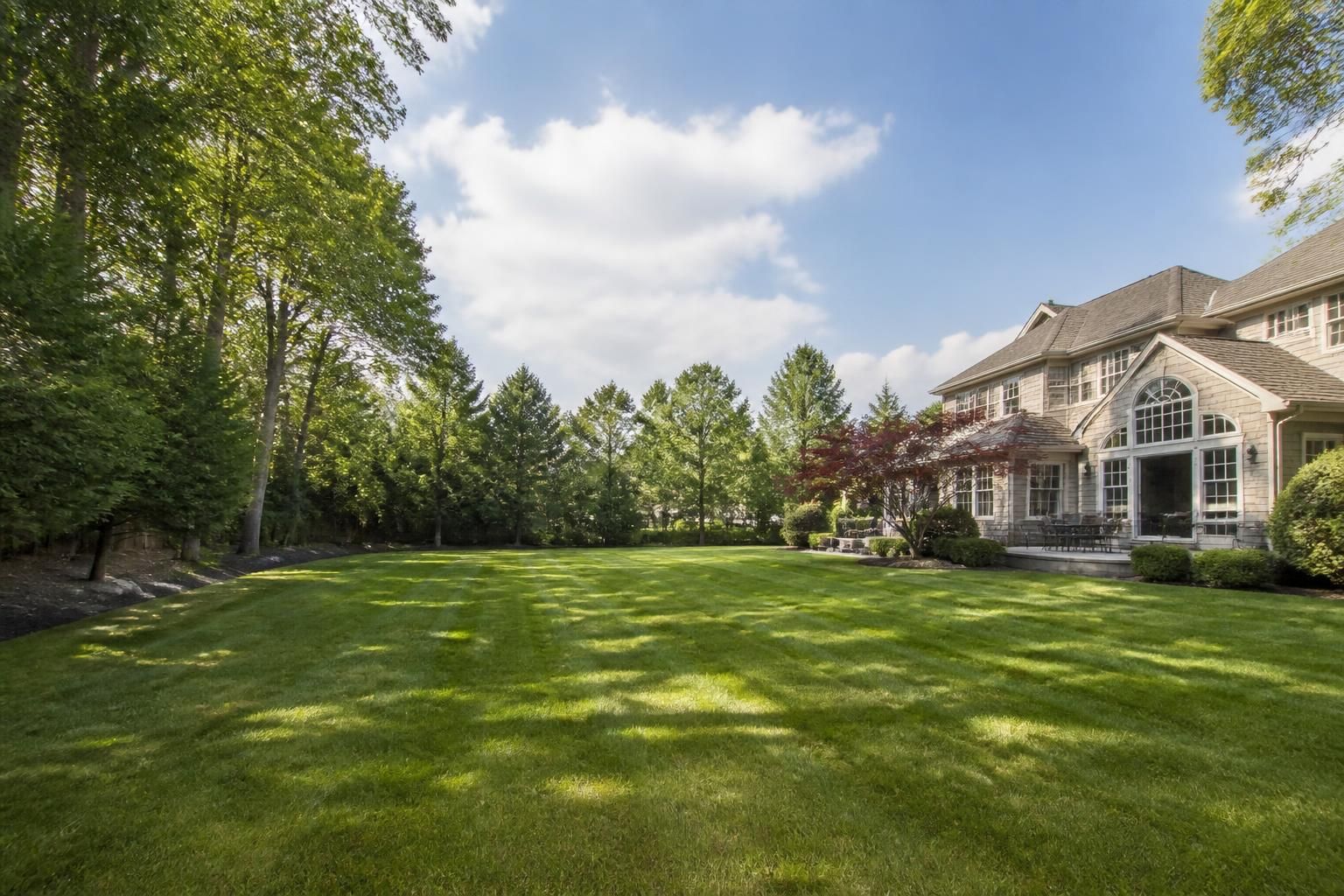
A large tree that leans toward a roof, hangs over a driveway, or drops heavy limbs can turn into a serious concern fast. When the trunk is split, roots are lifting, or the tree has grown too close to nearby structures, the next step is to have it evaluated before the problem gets worse.
Emergency Tree Removal Tega Cay SC helps homeowners across Tega Cay, SC decide whether a large tree can be removed cleanly, what access is needed, and how to reduce risk to the surrounding property. We look at the size of the tree, nearby structures, and the work area so you can make a clear decision about removal and the next step.
Large trees create a different kind of risk than smaller removals. Their weight, height, and reach can affect roofs, fences, driveways, sheds, and neighboring yards. Even when a tree still has leaves, hidden decay or a compromised trunk can make it unsafe to leave standing.
Homeowners often call when a tree shows one or more of these warning signs:
A large tree does not need to fall before it becomes a concern. If it is crowding the property, rubbing against another tree, or dropping heavy debris, removal may be the safer route.
Large tree removal is rarely a simple cut and drop job. The plan depends on how the tree sits on the property, where debris can be lowered, and what structures are close by. In Tega Cay, SC, careful planning matters because one wrong move can damage the home, landscaping, or neighboring property.
At Emergency Tree Removal Tega Cay SC, we evaluate the tree and the surrounding work area before recommending how to proceed. That means looking at access, clearance, trunk condition, and how the tree can be handled without creating avoidable damage.
This early assessment helps keep the work practical. If a tree can be removed in sections, that may be the safer approach. If the trunk is unstable or already failing, the plan may need to account for extra protection around the site.
Large tree removal usually follows a sequence that keeps the property controlled from start to finish. We do not rush to the cut. We first identify where the tree can be brought down safely, where debris will land, and which areas need to stay clear during the work.
We look at the tree’s condition, the surrounding space, and the best method for removal.
We prepare the area so the removal can move through the yard with less risk to structures and access paths.
When needed, the tree is removed in pieces rather than handled as one large drop.
Branches, trunk sections, and brush are managed so the site is left ready for the next step.
For trees that have already split, fallen, or started to fail, the process may need to account for unstable weight and awkward angles. That is especially common with trees that are leaning into a house, driveway, or neighboring yard.
Not every large tree needs immediate removal, but certain conditions make the choice easier. A tree that has outgrown its space, become hazardous, or started damaging surrounding property often becomes more costly to keep than to remove.
Common reasons homeowners request large tree removal include:
Some trees can be saved through pruning or branch removal, but when the trunk or root system is compromised, removal may be the more practical choice. We will walk through the tree’s condition and explain what the site likely needs.
Large tree removal often creates more material than homeowners expect. Heavy trunk sections, wide limbs, and scattered brush can fill a yard quickly. Cleanup should be part of the plan from the beginning so the property is not left cluttered once the tree is down.
Our services may include:
Some homeowners want the full tree removed and the stump ground down afterward. Others only need the main hazard cleared so they can move forward with another project. Either way, the scope should be clear before the work begins.
Large trees become more dangerous after strong weather, especially when limbs are hanging loose or the trunk has shifted. A tree that was stable yesterday may be unstable today if it has cracked, split, or dropped onto a structure or driveway. In those situations, the goal is to secure the area and remove the hazard without adding more damage.
We handle storm damage tree removal, fallen tree removal, and hazardous tree removal for homeowners across Tega Cay, SC and nearby communities like Fort Mill, Rock Hill, Lake Wylie, and Baxter Village. If the tree is pressing against the roof, blocking access, or threatening to fall farther, the removal plan needs to match the current condition of the site.
For trees that have already come down, the work often includes cutting the trunk into manageable sections, clearing branches, and assessing whether stump grinding should follow. If the tree is still standing but clearly unsafe, the removal may need extra attention around the lean, the base, and the structures nearby.
Large tree removal often brings up the same practical concerns: how much access is needed, what the yard will look like afterward, and whether the work can be done without disturbing nearby areas more than necessary. Clear answers start with a straightforward site review.
Yes, but the approach depends on the tree’s size, stability, and the distance to the home. Trees close to structures are often removed in sections so the work stays controlled.
A split trunk usually makes the tree less stable. We assess whether it should be taken down right away and how to handle the weight safely.
They can. Wide root systems may affect how the stump is handled and how much cleanup is needed after the main removal.
Leaning trees often need careful planning because the direction of the lean affects where the weight is carried and how the tree should be handled.
Branches, brush, and trunk pieces are managed as part of the work so the site is not left with a pile of material after the removal.
That depends on how you want to use the space afterward. Some homeowners want the stump gone to make the area easier to clear or rework later.
If a large tree is crowding your yard, leaning toward a structure, or showing signs of failure, the next step is a direct evaluation. Emergency Tree Removal Tega Cay SC provides large tree removal throughout Tega Cay, SC with practical planning and clear communication from the first call through cleanup.
Call +18039023624 or email contact@emergencytreeremovaltegacay.com to request a free estimate. We are open 24 hours and serve homeowners across Tega Cay and nearby communities who need a straightforward answer about the safest way to handle a large tree.
Get Started
Tell us what is happening with the tree, where it is located, and what kind of damage or risk you are seeing. We will review the situation and help you decide the most practical next step.