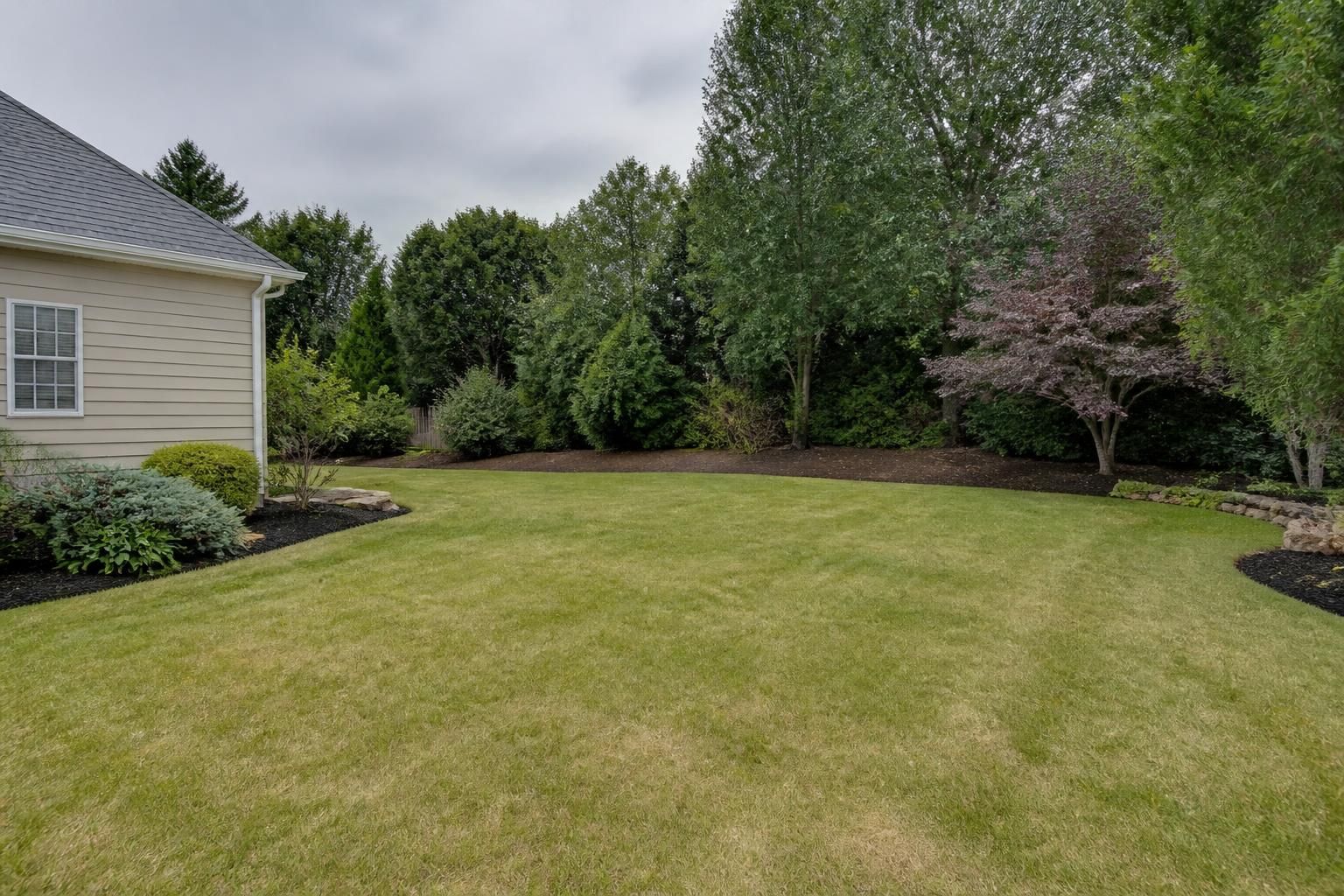
A tree that leans after a storm, cracks through the trunk, or drops heavy limbs without warning should not be ignored. If the trunk is split, roots are lifting, or branches are hanging over a roof, driveway, or fence, the safest next step is to have the tree evaluated before the damage grows worse.
Emergency Tree Removal Tega Cay SC helps homeowners handle hazardous tree removal across Tega Cay, SC with a clear, practical approach. We look at the tree, the surrounding property, and nearby structures, then recommend the scope of work that fits the situation. If you are dealing with a tree that feels unsafe, request a free estimate and get a straight answer about what should happen next.
Hazardous trees do not always fail all at once. Many show warning signs first, and those signs can point to a real risk for your home, vehicles, and yard.
If a tree shows more than one of these signs, it should be treated as a hazard rather than a routine removal.
Not every risky tree calls for the same response. Some trees can be taken down cleanly from the ground, while others require careful sectioning because of their size, location, or condition.
We also help with stump grinding after the tree is removed, which leaves the area easier to use and reduces the chance of tripping or regrowth problems.
Before removal starts, we look at the full picture. A hazardous tree is never just about the tree itself. The surroundings matter just as much.
We review trunk cracks, canopy damage, root movement, branch load, and how much of the tree still has structural strength.
We look at roofs, fences, driveways, landscaping, and other nearby features that may change how the tree should be taken down.
We also consider how the tree can be reached and removed with the least disruption to the property.
This practical review helps us recommend a clear scope of work instead of pushing a one-size-fits-all approach.
Once you reach out, we ask about the tree, where it is located, and what damage or movement you have noticed. That first conversation helps us understand whether the tree is leaning, split, fallen, or shedding hazardous limbs.
During the visit, we inspect the tree and the nearby area, then explain the safest next step. That may include removal of the full tree, cutting away dangerous sections, or planning stump grinding after the main work is complete. If the tree is already on the ground or partially collapsed, we focus on the safest way to clear it without creating more damage.
Homeowners in Tega Cay, SC often want a fast answer, but they also want a sensible one. We keep the process direct so you know what is being removed, why it needs to come down, and what the property will need afterward.
Hazardous tree removal often comes up after a sudden storm, but it also applies to trees that have been failing slowly for months. We handle the kinds of problems homeowners notice when a tree stops looking dependable.
These situations can worsen quickly. A tree that seems stable from one angle may be much weaker than it looks once the trunk and roots are examined closely.
Emergency Tree Removal Tega Cay SC works with homeowners throughout Tega Cay, SC who need a straightforward answer about a tree that has become unsafe. We also serve nearby communities such as Fort Mill, Rock Hill, Lake Wylie, Clover, York, Charlotte, Gastonia, Indian Land, Riverview, Baxter Village, and Newport.
That local service area matters because hazardous trees rarely happen at a convenient time or location. Whether the concern is a leaning tree near a driveway, a damaged tree over a roofline, or a fallen trunk across part of the yard, we focus on the removal work that matches the conditions on site.
If you have been putting off a tree that looks questionable, this is the time to get it checked. A quick review can help you decide whether the tree should come down now or be monitored a little longer.
Once the hazardous tree is removed, there may still be cleanup or follow-up work to handle. Depending on the situation, that can include branch removal, brush removal, stump grinding, or clearing debris from the area.
Planning the finish matters because a removed tree can still leave behind roots, uneven ground, or debris that gets in the way of normal use. If the tree was close to a structure or fence, we also pay attention to the space left behind so the area is easier to manage.
Many homeowners want the yard left in a state where the next step is obvious. That may mean a clean stump-free space, room for future planting, or simply a safer area around the home.
Look for major leaning, trunk cracks, lifting roots, dead limbs, or storm damage that changed the tree’s shape or stability.
Sometimes a split tree remains upright for a short time, but the separation can widen and fail without much warning.
A fallen tree can still be dangerous because tension may remain in the trunk or branches, so it should be handled with care.
Yes. We assess the surroundings first and plan the removal around nearby structures and access.
Stump grinding is available when you want the remaining stump taken down after the tree is removed.
Yes. If multiple trees are leaning, damaged, or otherwise unsafe, we can review each one and recommend the right scope for each.
If a tree on your property looks unstable, do not wait for it to fail on its own. Contact Emergency Tree Removal Tega Cay SC to discuss hazardous tree removal for your home in Tega Cay, SC. Call +18039023624 or email contact@emergencytreeremovaltegacay.com to request a free estimate and get clear guidance on the next step.
Get Started
Tell us what is happening with the tree, where it is located, and what kind of damage or risk you are seeing. We will review the situation and help you decide the most practical next step.